
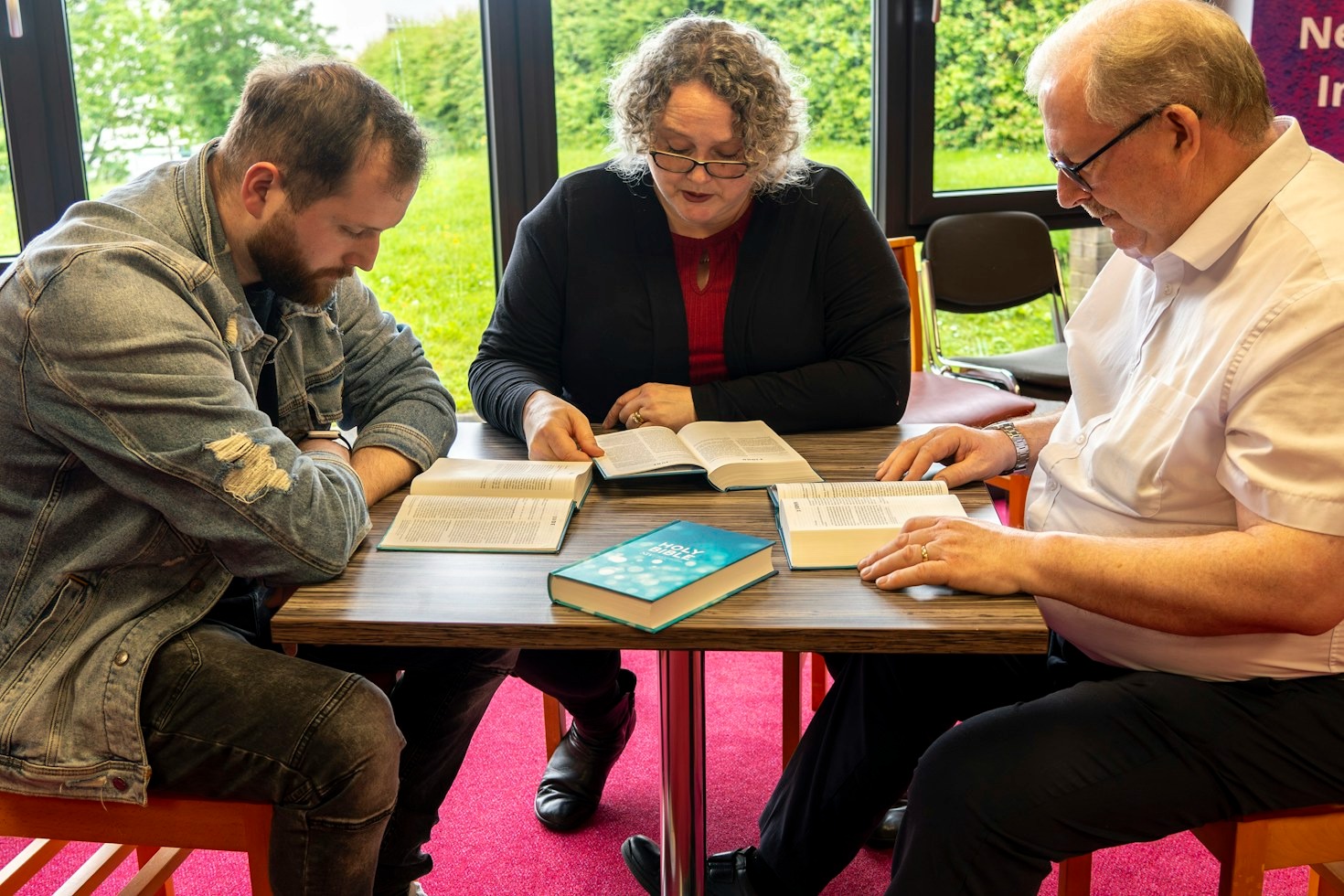
In a world that often feels increasingly disconnected, Christian fellowship remains one of God’s most beautiful gifts to His people. Although technology has changed how we communicate, the need for genuine connection, spiritual encouragement, and a shared faith in Jesus Christ has never disappeared.
Sometimes, the simplest moments hold the deepest wisdom. Let your thoughts settle, and clarity will find you. Use this quote space to share something inspirational or reflective, perfectly aligned with the theme of your article.
Modern Christian fellowship offers opportunities to grow closer to God, learn from fellow believers, and find strength during life’s most difficult seasons. Whether through a local church, a small Bible study group, an online prayer meeting, or a Christian community such as One Accord, fellowship reminds us that we were never meant to walk our journey of faith alone.


As you move toward the midpoint of the article, this paragraph provides an opportunity to connect earlier ideas with new insights. Use this space to present alternative perspectives or address potential questions readers might have. Strike a balance between depth and readability, ensuring the information remains digestible. This section can also serve as a transition to the closing points, maintaining momentum as you steer the discussion to its final stages.
But how exactly does fellowship deepen our personal relationship with God? And how can connecting with other believers help us develop the spiritual resilience needed to face life’s challenges?
Christian fellowship is more than simply spending time with other Christians. It is the sharing of faith, encouragement, prayer, worship, and a common commitment to following Jesus Christ.
The early Church provides a powerful example of this kind of community. Acts 2:42 (KJV) tells us:
“And they continued stedfastly in the apostles’ doctrine and fellowship, and in breaking of bread, and in prayers.”
From the beginning, believers gathered to learn God’s Word, pray together, share meals, and support one another. Their fellowship was an essential part of their spiritual lives.
Today, the ways we connect may look different, but the underlying purpose remains the same. We can gather in church buildings, meet in homes, communicate through messaging groups, participate in online Bible studies, or encourage one another through Christian social media communities.
The setting may change, but the heart of fellowship remains rooted in Christ.
1. Fellowship Strengthens Our Personal Relationship With God
Faith is deeply personal, but it was never intended to be lived in isolation.
Spending time with other believers exposes us to different perspectives, testimonies, and experiences of God’s faithfulness. Someone else’s testimony may remind us of a promise we have forgotten. A Bible passage shared by a friend may bring fresh understanding to a situation we are facing. A simple prayer from another believer may encourage us when our own words are difficult to find.
Proverbs 27:17 (KJV) says:
“Iron sharpeneth iron; so a man sharpeneth the countenance of his friend.”
Just as iron sharpens iron, healthy Christian relationships can sharpen our understanding of Scripture, challenge us to grow spiritually, and encourage us to become more Christlike.
Fellowship also gives us opportunities to ask questions, discuss difficult passages, share doubts honestly, and learn from one another. Rather than weakening genuine faith, thoughtful questions can lead us to study God’s Word more carefully and develop a deeper understanding of what we believe.
The goal is not to depend on other people for our faith, but to allow God to use our relationships to strengthen it.
2. Building Spiritual Resilience Through Difficult Seasons
Life does not always unfold as we hope. We experience disappointment, grief, uncertainty, financial pressure, relationship difficulties, illness, and moments when our faith feels weaker than usual.
During these seasons, isolation can make our struggles feel even heavier. We may begin to believe that we are the only ones experiencing doubt or hardship.
Christian fellowship offers a different perspective.
When believers share their struggles honestly, they create space for compassion, understanding, prayer, and practical support. Sometimes we need wise advice. At other times, we simply need someone who will listen without judging us.
Galatians 6:2 (KJV) instructs us:
“Bear ye one another’s burdens, and so fulfil the law of Christ.”
This verse reminds us that supporting one another is not an optional extra in the Christian life. It is an expression of Christlike love.
Spiritual resilience does not mean that Christians never feel discouraged, frightened, or overwhelmed. It means learning to turn towards God in difficult circumstances and allowing His truth, grace, and the support of other believers to help us persevere.
A fellow Christian may remind us of God’s promises when we struggle to remember them ourselves. A prayer partner may stand with us when we feel exhausted. A trusted friend may help us recognise a way forward when everything seems uncertain.
We may not always be able to change another person’s circumstances, but we can help them remember that they do not have to face them alone.
3. The Power of Prayer and Shared Encouragement
Prayer is at the heart of Christian fellowship. When believers pray together, they bring their concerns, gratitude, hopes, and needs before God as a community.
Matthew 18:20 (KJV) records the words of Jesus:
“For where two or three are gathered together in my name, there am I in the midst of them.”
This verse reminds Christians of the significance of gathering in Jesus’ name. Whether we meet in person or connect through modern technology, prayer can help unite our hearts around our shared faith.
Group prayer also teaches us to look beyond our own circumstances. As we pray for others, we become more aware of their struggles and learn to practise compassion, patience, and selflessness.
There is something deeply encouraging about knowing that others are praying for you. It can remind us that we are seen, valued, and supported by our Christian community.
However, prayer is not about guaranteeing a particular outcome or assuming that God will answer every request in the way we expect. Instead, it is an opportunity to seek His guidance, trust His wisdom, express our hearts honestly, and encourage one another to remain faithful through uncertainty.
Sometimes the greatest encouragement is not hearing that everything will soon be perfect, but knowing that someone is willing to pray with us while we wait.
4. How Digital Fellowship Is Changing Christian Community
Technology has transformed how people communicate, and Christian fellowship has evolved alongside it.
Online communities, video calls, Christian podcasts, digital Bible studies, and messaging groups allow believers to connect across geographical boundaries. Someone who cannot easily attend a church service because of illness, disability, caring responsibilities, anxiety, or distance may still be able to participate in conversations about faith and join others in prayer.
Digital fellowship can also help people discover Christian communities where they feel comfortable asking questions, sharing testimonies, and learning about Scripture.
For example, a WhatsApp group can provide a place to share daily Bible verses, exchange prayer requests, discuss Christian teachings, and encourage members who may be having a difficult day. A virtual Bible study can bring together believers who might otherwise never meet.
Communities such as One Accord aim to make these connections more accessible by bringing Christians together around shared faith, prayer, worship, biblical learning, and mutual encouragement.
Yet technology is a tool rather than the foundation of fellowship. A large online following does not automatically create meaningful spiritual relationships, and constant notifications are no substitute for genuine care.
Healthy digital fellowship requires the same qualities as healthy fellowship in person: honesty, kindness, respect, accountability, patience, and a sincere desire to honour Christ.
It is also important to remember that online discussions can sometimes lead to misunderstandings or disagreements. Christians will not always interpret every passage of Scripture in exactly the same way. Approaching those differences with humility and love helps ensure that our conversations build understanding rather than division.
Used wisely, digital fellowship can complement local church life, personal Bible study, and face-to-face relationships.
5. Learning From One Another and Growing in Wisdom
One of the greatest benefits of Christian community is the opportunity to learn from believers at different stages of their spiritual journeys.
Someone who has followed Christ for decades may offer wisdom gained through years of prayer, Bible study, and life experience. A newer believer may ask questions that encourage everyone to revisit familiar passages with fresh attention.
Titus 2 describes the importance of older believers teaching and encouraging younger believers in the faith. This reflects a wider biblical principle: spiritual growth is something we can nurture together.
Through fellowship, we can learn how others apply biblical principles to everyday situations, how they have navigated difficult decisions, and how they have remained faithful during challenging periods.
However, spiritual maturity also requires discernment. Not every opinion shared in a Christian group is necessarily biblical, even when it is expressed with confidence.
Acts 17:11 commends the Bereans because they examined the Scriptures to determine whether what they were hearing was true. Their example reminds us to test teaching against God’s Word rather than accepting every claim without question.
Healthy fellowship encourages us to think carefully, study Scripture, ask sincere questions, and grow in wisdom. It should point us towards Christ, not encourage blind dependence on a particular leader or community.
6. Fellowship Helps Us Put Christian Love Into Practice
It is possible to know many Bible verses about love without consistently putting that love into practice. Fellowship provides daily opportunities to turn Christian teaching into action.
We learn patience when someone disagrees with us. We practise forgiveness when relationships become strained. We demonstrate kindness when a member is struggling, and we develop humility when we recognise that we do not have all the answers.
John 13:35 (KJV) records Jesus saying:
“By this shall all men know that ye are my disciples, if ye have love one to another.”
Christian fellowship should therefore be more than sharing inspirational messages or discussing theology. It should be reflected in the way we treat one another.
A healthy Christian community makes room for people who are hurting, welcomes sincere questions, celebrates one another’s progress, and offers correction with gentleness when necessary.
It also recognises that believers are imperfect. Disagreements and misunderstandings will happen, but they can become opportunities to practise humility, reconciliation, and grace.
This does not mean tolerating abuse, manipulation, or harmful behaviour. Genuine Christian love can include firm boundaries, accountability, and seeking appropriate help when it is needed.
When our fellowship reflects the character of Christ, it becomes a living expression of the faith we profess.
7. Practical Ways to Deepen Your Faith Through Fellowship
You do not need to become a church leader or join several Christian groups to benefit from fellowship. Small, consistent steps can make a meaningful difference.
Here are seven practical ways to strengthen your faith through Christian community:
1. Make time for regular fellowship. Find a local church, Bible study, prayer group, or online community where you can connect with other believers consistently.
2. Study the Bible together. Choose a passage or biblical theme and discuss what it teaches about God’s character, our relationship with Him, and how we should live.
3. Be honest about your struggles. You do not need to pretend that everything is fine. Share with trusted believers when you need encouragement, prayer, or practical support.
4. Pray for others regularly. Keep a list of prayer requests and check in with people to see how they are doing. Remember that genuine care continues after the prayer has been said.
5. Encourage someone each day. A thoughtful message, a shared Scripture, or a few sincere words can make a difference to someone who feels overlooked or discouraged.
6. Listen as well as speak. Fellowship is not simply about expressing our own views. Listen carefully, ask questions, and be willing to learn from the experiences of others.
7. Keep Christ at the centre. Evaluate your community by whether it encourages biblical understanding, spiritual growth, humility, love, and a deeper commitment to following Jesus.
Consistency matters more than perfection. A short, sincere conversation about faith can sometimes be more valuable than a lengthy discussion in which nobody feels heard.
8. Finding Fellowship When You Feel Alone
For some people, finding Christian fellowship is not straightforward. They may live far from a church, struggle with social anxiety, have health limitations, or feel uncertain about where they belong.
Others may have experienced rejection, conflict, or disappointment within a church community. These experiences can make it difficult to trust again.
If this describes your situation, remember that struggling to find fellowship does not mean that your faith is inadequate.
Start with manageable steps. You might listen to a Bible teaching, join an online prayer meeting, speak to a trusted Christian, or visit a local church when you feel ready. You do not need to rush into a commitment before you have had time to understand the community and decide whether it is a healthy environment.
Look for people who demonstrate kindness, integrity, humility, and a genuine commitment to Scripture. A healthy community should not pressure you to reveal more than you are comfortable sharing or make you feel that you must earn God’s love by pleasing its members.
Remember, too, that fellowship is not a replacement for your personal relationship with God. Time spent reading Scripture, praying privately, and reflecting on your faith remains important.
Jesus Himself regularly withdrew to pray (Luke 5:16). His example shows us that time alone with the Father and time spent in community can both have an important place in our spiritual lives.
The aim is to find a healthy balance between personal devotion and meaningful connection with others.
9. Fellowship Reminds Us That We Belong to Something Greater
Christian fellowship offers a powerful reminder that our faith is part of a much larger story.
We belong to a worldwide body of believers united by faith in Jesus Christ, even when we differ in background, culture, age, personality, or church tradition.
First Corinthians 12 describes the Church as one body with many members. Each member has a role, and every part matters.
This picture challenges us to recognise the value of others rather than comparing ourselves with them. Some believers may be gifted teachers, others compassionate listeners, others practical helpers, and others faithful prayer partners. Each can contribute to the encouragement and growth of the community.
When we recognise and use our gifts to serve others, fellowship becomes more than something we receive. It becomes something we actively contribute to.
We discover that God can work through ordinary acts of kindness, sincere prayers, thoughtful conversations, and faithful service.
A community grows stronger when its members seek not only to be encouraged but also to encourage others.
Conclusion: Growing Stronger Together in Christ
Modern Christian fellowship provides meaningful opportunities to deepen our faith, develop spiritual resilience, and experience the practical expression of God’s love through other people.
Whether through a local church, a small Bible study, a prayer group, or a digital community, connecting with fellow believers can help us understand Scripture more deeply, persevere through difficult seasons, and grow in Christlike character.
Fellowship does not mean that we will never struggle, doubt, or feel alone. Nor does it mean that other Christians will always have the answers we need. Rather, it gives us opportunities to encourage one another, learn together, share our burdens, and keep pointing each other towards Jesus.
Hebrews 10:24–25 (KJV) encourages believers to consider one another, stir one another up to love and good works, and continue gathering together for mutual encouragement.
That message remains just as relevant today as it was to the early Church.
At One Accord, we believe that faith grows through a combination of personal devotion to God, a commitment to His Word, and a willingness to walk alongside others in Christian love.
You do not have to have everything figured out to be part of a Christian community. You simply need a willingness to seek God, learn from His Word, and encourage others along the way.
Let us continue to grow in faith, stand together through adversity, and encourage one another to live out the teachings of Jesus Christ.
Because when Christ is at the centre of our fellowship, we can become stronger in faith, richer in love, and more resilient in the face of life’s challenges.
Leave a Reply